Week 8
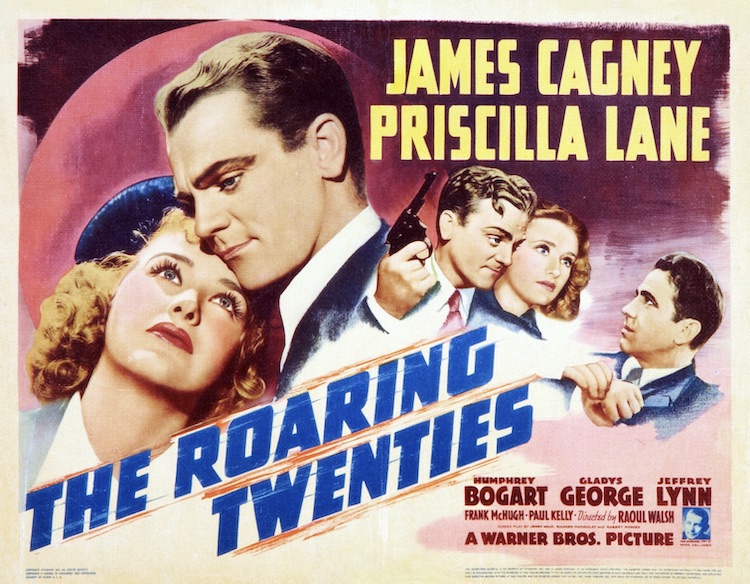
The Roaring Twenties: STAR POWER
Howard Zeitz: "By the mid-1920s movie theaters were selling 50 million tickets each week, a sum equal to roughly half the US population! And the generation that came of age in the twenties learned things at the movie palace that they couldn't learn in school. 'The only benefit I ever got from the movies was in learning to love and the knowledge of sex,' a young woman confided to an interviewer in the mid-20s. 'If we didn't see such examples in the movies,' explained another, 'where would we get the idea of being hot? We wouldn't.'" This was the first great decade in the history of the Hollywood movie industry. Most of the owners and production chiefs of the major studios were immigrants from central or eastern Europe who began their careers in the garment, glove or fur businesses, and applied their entrepreneurial skills to a new industry that had few barriers to the entry of newcomers: Louis B. Mayer (MGM); Adolph Zukor (Paramount); Jesse Lasky (Paramount); William Fox (Fox); Jack Warner (Warner Brothers); Carl Laemmle (Universal); B.P. Schulberg (Paramount); Irving Thalberg (Universal, MGM); Sam Goldwyn (independent); David O. Selznick (MGM, RKO, Selznick); Harry Cohn (Columbia). They had the classic Jewish combination of an aspiration toward cultural assimilation combined with an early experience of humble origins in small towns and urban ghettos—in a nation of immigrants, rapidly urbanizing, this was the perfect recipe for success in the new medium of cinema. Howard Sachar: "California was becoming a favored locale among these aspiring producers."
RECOMMENDED READING
Only Yesterday: An Informal History of the 1920s,
Harper Perennial Modern Classics,
ISBN 978-0060956653