Week 9
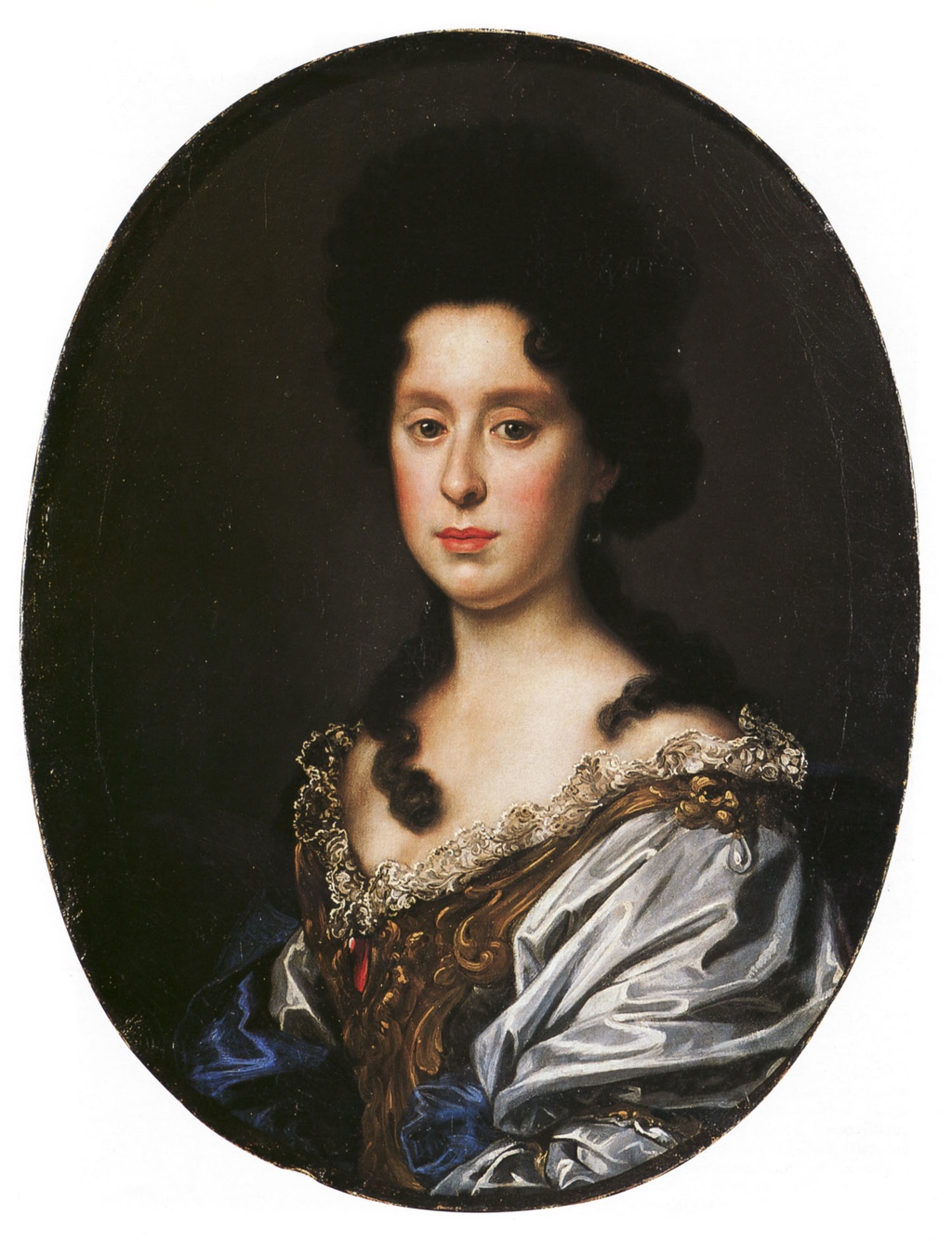
Anna Maria Luisa de' Medici, (1667-1743) was the last Medici in Florence. She was also a great patron of the arts, and she bequeathed the large art collection of the Medici family to the Tuscan state, including the contents of the Uffizi, Palazzo Pitti and the Medici villas, which she inherited upon her brother Gian Gastone's death in 1737. The one condition for her donation was that no part of it could be removed from "the Capital of the grand ducal State, and that the collections be opened to the public.
Anna Maria Luisa was the only daughter of Cosimo III de' Medici, Grand Duke of Tuscany, and Marguerite Louise d'Orléans, a niece of Louis XIII of France. On her marriage to Johann Wilhelm, Elector Palatine, she became Electress of the Palatinate, and, by patronising musicians, she earned for the contemporary Palatine court the reputation of an important music centre. As Johann Wilhelm had syphilis the union produced no offspring, which, combined with her siblings' barrenness, meant that the Medici were on the verge of extinction.
REQUIRED READING:
This is the best one-volume history of Italy that includes the modern part that we want. It provides you with a nice introduction to earlier periods and those of you who studied the Renaissance last year will find these chapters an easy review. You can read about the earlier periods a bit each week tip you get up to 1600. We will use the book all year.
RECOMMENDED BOOK:

The Last Medici,
Thames & Hudson; 1st edition (September 1980),
ISBN 050025074X
In his remarkable account of the last Medici, historian Harold Acton (1904-1994) takes up the causes which led to the disappearance of a house which has left indelible traces on the art, literature and commerce of the world; and his book was one of the first attempts to deal with this despotic dynasty in a scholarly and impartial spirit. Much has been written about the phenomenal career of the early Medici: and there are many biographies of Lorenzo the Magnificent, Cosimo I, and the Medicean Popes. But less has been written of the final phase, and Acton demonstrates the hand of death overshadowing the great family in a series of unfortunate marriages - how one by one they vanished into the void. "The Last Medici" centres mainly round the fantastic figures of Princess Marguerite-Louise d'Orleans and her husband Cosimo III, most fatal of all the Medicean sovereigns. The last act closes on Gian Gastone, their cynical younger son, bedridden in the Pitti Palace, a florid figure of despair, with the Powers of Europe ever on the alert for the sound of his death-rattle. Full of brilliant colour, rich comedy and lurid tragedy.