Week 30
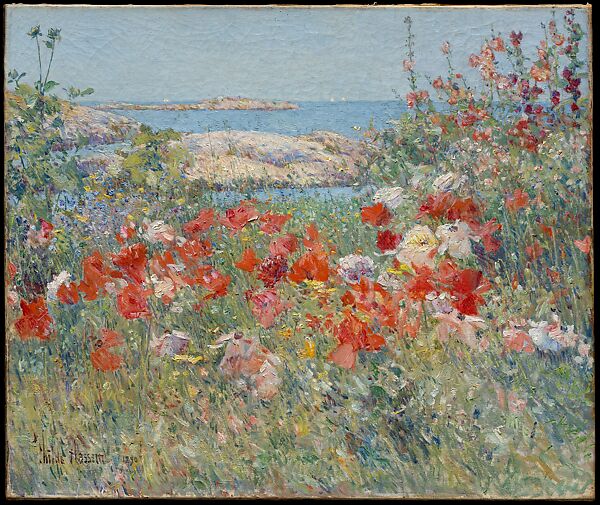 In 1900, American art was a bridge between traditional European academic styles and an emerging, homegrown avant-garde. While artists competed to establish a distinct national identity, the scene was dominated by genteel Impressionism, urban realism, and the explosive rise of the Arts and Crafts movement.The artistic landscape of the era was defined by key movements and figures:American Impressionism: Returning from Paris, painters adopted European techniques but applied them to distinctly American subjects. Masters like Childe Hassam and Mary Cassatt showcased cosmopolitan taste, while John Singer Sargent was the undisputed master of glamorous society portraits.The Ashcan School & Realism: Rejecting the polished ideals of the National Academy of Design, painters like Robert Henri sought a raw, honest portrayal of American life. This shift would soon spawn "The Eight" and radicalize the depiction of bustling, industrial New York.The Arts & Crafts Movement: A massive shift toward decorative arts occurred as a rebellion against mass industrialization. Pioneers like Louis Comfort Tiffany (with his iconic Favrile glass) and Gustav Stickley redefined American aesthetics in everyday domestic objects.The American West: Artists like Frederic Remington captured the receding frontier, cementing romanticized, bronze, and oil depictions of cowboys and indigenous life as core American icons. (At left is Childe Hassan,"Celia Thaxter's Garden, Isles of Shoals, Maine" at the Metropolitan Museum, NY.)
