Week 16
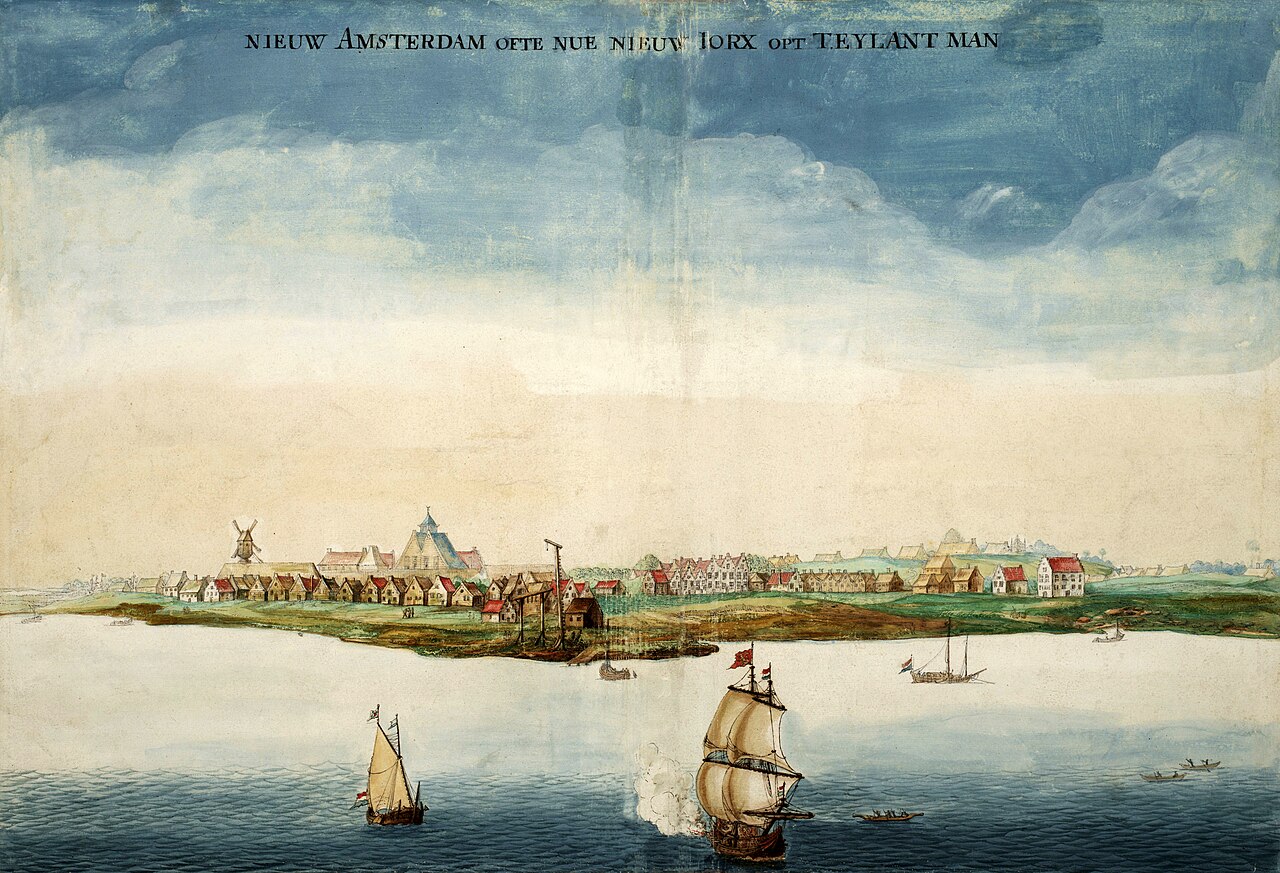
Before European colonization, present-day Manhattan was part of Lenape territory. European settlement began with the establishment of a trading post by Dutch colonists in 1624 on Manhattan Island; the post was named "New Amsterdam" in 1626. The territory came under English control in 1664 and was renamed "New York" after King Charles II of England granted the lands to his brother, the Duke of York. New York, based in present-day Lower Manhattan, served as the capital of the United States from 1785 until 1790. The Statue of Liberty in New York Harbor greeted millions of arriving immigrants in the late 19th century and is a world symbol of the United States and its ideals. Peter Minuit (French: Pierre Minuit, Dutch: Peter Minnewit (1580 – 1638) was a Flemish merchant and politician who arranged the purchase of Manhattan. He was the 3rd director of the Dutch North American colony of New Netherland from 1626 until 1631, and 3rd Governor of New Netherland. He later founded the Swedish colony of New Sweden on the Delaware Peninsula in 1638. Minuit was born in Wesel, in modern northwestern Germany. He is generally credited with orchestrating the purchase of Manhattan Island for the Dutch West India Company from representatives of the Lenape, the area's indigenous people. Manhattan later became the site of the Dutch city of New Amsterdam, and the borough of Manhattan of modern New York City. A letter written by Dutch merchant Peter Schaghen to directors of the Dutch East India Company stated that Manhattan was purchased for "60 guilders worth of trade", an amount worth ~$1,143 U.S. dollars as of 2020.
.....
REQUIRED READING FOR THE WHOLE YEAR OF COMING TO AMERICA

RECOMMENDED READING
The Island at the Center of the World: The Epic Story of Dutch Manhattan and the Forgotten Colony That Shaped America,
Vintage,
ISBN 978-1400078677