Week 26
The first major wave of Russian immigration to America took place roughly between 1880 and 1915 (the late 19th and early 20th centuries) during 1870s and 1880 through the start of World War I. This week's lecture is called "The Russians Come to America," but in fact there were few Russians in this late-19th century wave of immigrants, because the Imperial government of Russia prohibited ethnic Russians from leaving the country. So this first great wave of immigrants from the larger Russian empire were Ukrainians, Belarussians, Lithuanians, and Poles all of whom arrived at Ellis Island by the hundreds of thousands. Russians, however, made the journey only a few at a time, and only by braving many hazards. Nearly 3 million people from the multi-ethnic Russian Empire entered the United States during this open-immigration era. The U.S. census of 1910 found only 65,000 Russians in the country. Why did they leave? The first major factor that drove these different groups out of the Russian imperial lands was religious persecution: A large portion of the migrants—nearly half—were Yiddish-speaking Jews fleeing violent anti-Jewish riots known as pogroms, state-sanctioned discrimination, and forced confinement to the Pale of Settlement. Other religious minorities, such as dissenting Christian groups like the Molokans and Old Believers, also fled religious pressure from the Orthodox state church. Also, there was terrible economic hardship. There were severe land shortages, with overpopulation in rural countrysides, widespread poverty, and famine which pushed many ethnic Russian peasants and working-class families to look for a better life abroad. Many were drawn by the prospect of industrial factory jobs in growing East Coast cities or free land in the American West through the Homestead Acts. In the 1880s, the Russian countryside was strained by severe land shortages. Facing poverty and starvation, farmers and peasants from across the Empire sought a brighter future overseas, and millions set sail for the United States. The Russians and others who did make the journey formed small communities and took work where they could find it. Some took advantage of the Homestead Act and headed west to found new family farms on the seemingly endless American plains. A number of pacifist sects, such as the Dukhobors and Molokans, settled in California and Oregon, where they maintained their traditional practices—and distinctive music—well into the 21st century. Many Russians went to work in the growing industries of the 19th century, toiling in the mines, mills, and sweatshops of the East Coast and Great Lakes.
REQUIRED READING FOR THE WHOLE YEAR OF COMING TO AMERICA

HIGHLY RECOMMENDED READING
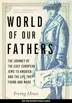
World of Our Fathers: The Journey of the East European Jews to America and the Life They Found and Made,
NYU Press,
ISBN 978-0814736852