Week 24
Chinese immigration to California surged during the 1800s, driven by the Gold Rush and railroad construction, but met severe discrimination and legal exclusion. Following the 1848 gold discovery, thousands of immigrants left southeastern China to seek wealth in "Gold Mountain." Their migration was pushed forward by famine, economic turmoil, and political instability from the Opium Wars and Taiping Rebellion. Many arrivals settled in San Francisco's Chinatown to find community, mutual aid, and familiar goods. Labor and Railroads Mining Hardship: Chinese miners faced heavy taxes, violence, and forced removal from rich claims, often working abandoned sites.Beginning in 1865, thousands of Chinese laborers built the Central Pacific Railroad, praised for their work ethic despite harsh conditions. Immigrants also labored in agriculture, fishing, domestic service, and manufacturing. Discrimination and Exclusion legislation targeted the Chinese. California enacted discriminatory measures like the monthly Foreign Miners Tax starting in 1850. The 1854 state supreme court ruling People v. Hall barred Chinese people from testifying against white individuals in court. Economic depression in the 1870s stoked nativism, resulting in events like the 1871 Los Angeles Chinese massacre. Congress passed the Chinese Exclusion Act in 1882, banning Chinese laborers and halting new immigration. Of all the immigrants groups who came to the USA in the 19th century, the Chinese faced the most overt discrimination and legislation that singled them out. And still they came.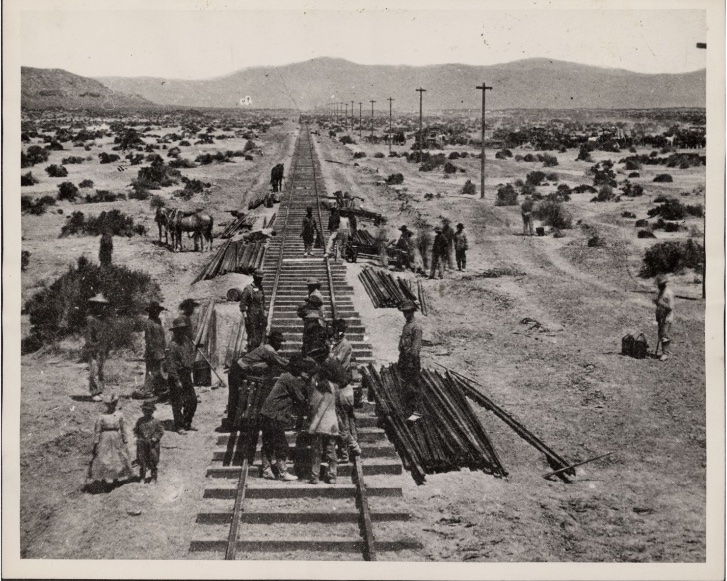
REQUIRED READING FOR THE WHOLE YEAR OF COMING TO AMERICA

RECOMMENDED READING
Strangers in the Land: Exclusion, Belonging, and the Epic Story of the Chinese in America,
Vintage,
ISBN 978-0593467725