Week 8
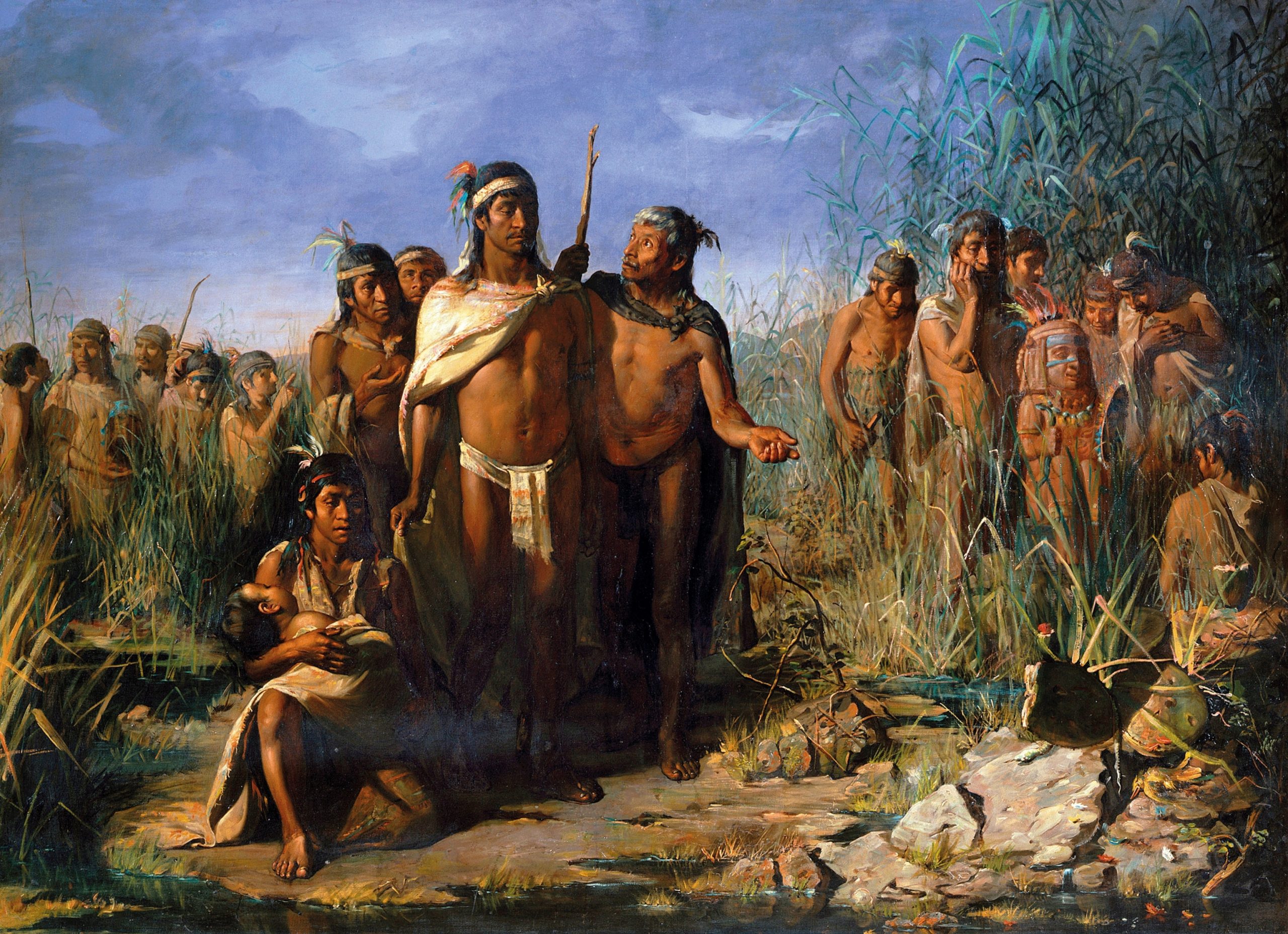
The Aztecs were a powerful Mesoamerican civilization that flourished in central Mexico from 1300 to 1521. They built a grand empire centered around their magnificent capital city, Tenochtitlan (now modern-day Mexico City), known for advanced engineering, a rich religious life involving ritual practices, and a dramatic collapse following the arrival of Spanish conquistadors. The people we call Aztecs referred to themselves as the Mexica or Tenochca. They spoke Nahuatl. The capital city of Tenochtitlan was founded in 1325 on a marshy island in Lake Texcoco. The city grew into an engineering marvel with artificial floating gardens (chinampas), canals, and massive pyramids. In 1428, Tenochtitlan joined with neighboring city-states Tetzcoco and Tlacopan to dominate the Valley of Mexico. The society was led by an emperor (Tlatoani), followed by a noble class, priests, warriors, merchants, commoners, and enslaved people. Schooling was strict and mandatory for children regardless of social class, with all boys receiving military training. Agriculture was the backbone of society, relying heavily on crops like corn (maize), beans, squash, tomatoes, and chili peppers. The Aztecs worshipped many gods, notably Huitzilopochtli (god of war and the sun) and Tlaloc (god of rain). Religious ceremonies included ritual human sacrifices, which they believed were necessary to nourish the sun and keep the universe functioning. Expansion relied on a fierce warrior tradition that demanded tribute and prisoners from the conquered regions.